Kink, safety-first
Rope and Restraint Done Safely: A Beginner's Guide
· findlucid
Curious about rope bondage? A safety-first beginner's guide for gay men: consent and negotiation, nerve and circulation basics, and the safety rules every scene follows.
Adults only: this article is for readers 18 and over. There is a moment in rope bondage that has nothing to do with knots: your partner wraps rope around your wrists, slow and deliberate, and you realize you have handed someone your freedom on purpose. That is the whole point: rope is trust made visible.
For many gay men, rope is the first kink that calls to them: the look of it, the feeling of it, the stillness it creates. It can be erotic, meditative, artistic, or all three at once. But doing it wrong can genuinely hurt someone, which is why rope communities are some of the most safety-obsessed people you will ever meet. This guide is your way into that mindset: consent first, honest about the risks, and focused on how beginners actually learn.
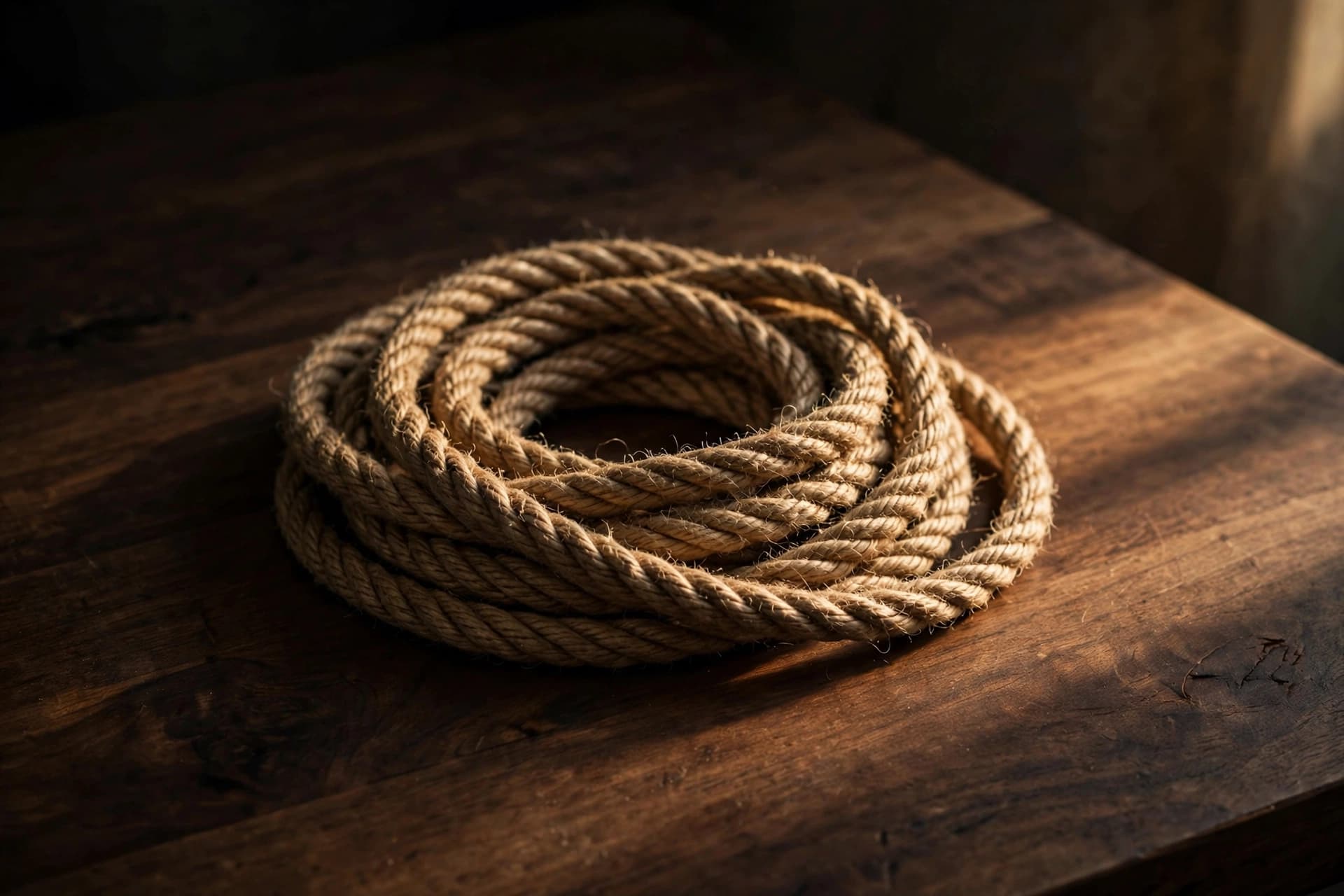
Why rope draws people in
Ask rope people what keeps them coming back and you hear the same themes. Being tied up means trusting your partner with your body; tying means accepting that trust. That exchange is the main event.
- Sensation. Rope presses and holds in ways hands cannot, and the stillness can quiet a racing mind.
- Connection. A scene is a wordless conversation of check-ins and adjustments, and partners often feel closer after.
- Aesthetics. Rope patterns are beautiful, and many people start because a photo or performance pulled them in.
- Control and surrender. Giving up control, or taking it with care, is the emotional core of kink.
The honest part: real risks, handled with RACK
Rope is a risk-aware activity, not a risk-free one. SSC (safe, sane, and consensual) is the classic framework; RACK (risk-aware consensual kink) is the more honest version: no activity is completely safe, so you learn the risks, reduce them, and consent with eyes open. Rope used carelessly can cause lasting nerve damage, which is why every beginner class starts with the same lesson.
- Nerve compression. Rope on nerves at the wrist, armpit, inner elbow, or behind the knee can cause tingling or numbness that takes weeks or months to heal.
- Circulation loss. Rope too tight or left on too long cuts off blood flow; cold, pale, or blue hands or feet are an emergency signal.
- The neck. The bright line in rope education: beginners never tie around the neck.
- Falls and fainting. Standing bondage can end with someone on the floor, so beginners work on the ground or a bed.
- Panic. Restraint can trigger anxiety or past trauma without warning. A good partner treats a panic response as normal, not a failure.
Consent and negotiation come before the rope
In rope culture, the most important part of a scene often happens before anyone is tied: the negotiation, where you spell out what will happen and what will not.
- What you will do. Floor ties only? Wrists? Full body? Say it out loud.
- Hard limits. Things off the table, with no in-the-moment discussion needed.
- Health factors. Disclose nerve or circulation issues, injuries, asthma, anxiety, or trauma history your partner needs to know.
- How long. A first scene might be fifteen minutes of rope. That is plenty.
- Safewords. Agreed before the rope comes out.
The stoplight system is the most widely taught method: green means go, yellow means slow down, red means stop now. Because speech can fail during intense play, educators teach backup signals: a drop-an-object signal (hold keys; dropping them means stop), rhythmic tapping, or a hand-squeeze code. Pick one and test it first.
The safety rules every beginner scene follows
- Never play alone. Someone should always be able to untie you or call for help.
- Never play intoxicated. Alcohol and drugs dull the signals your body sends.
- Keep cutting tools within reach. EMT shears, the blunt-tipped scissors medics use, sit next to every scene. Rope is replaceable. Nerves are not.
- Check circulation constantly. Warm and pink is good. Cold, pale, or blue means loosen or cut now.
- Tingling, numbness, or weakness means untie now, not in a minute.
- Stay off the neck. Beginners keep rope away from the neck entirely.
- Keep it simple and plan your exit: basic column ties on wrists or ankles, on the ground, for short periods, with a fast way out if a partner panics or goes nonverbal.
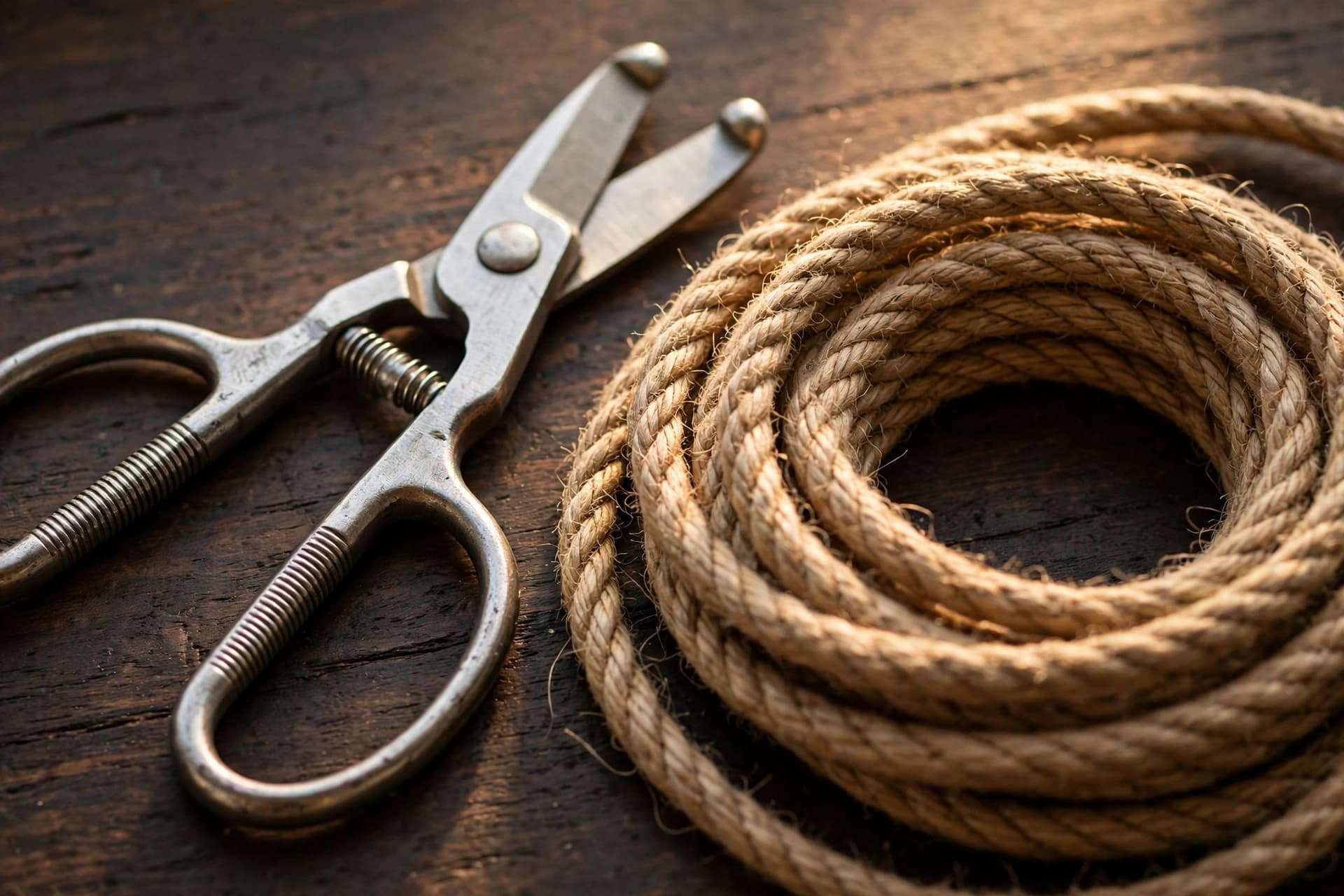
Learn your first ties in person. Videos are a fine supplement, but tension, placement, and reading a partner's body are hands-on skills. Look for beginner rope classes and rope jams at local kink community spaces. For gear, beginners are usually told: natural fiber like jute or hemp, around 6mm thick and 7 to 8 meters per length, plus a pair of shears. Synthetic rope costs less and works for learning; hardware-store rope does not.
When the rope comes off, the scene is not over. Aftercare is the wind-down: warmth, water, quiet company, and talking through how it felt. Check in the next day, too.
When you are ready to meet people who share your interests, create your free account at FindLucid.com: https://findlucid.com/signup.
Frequently asked questions
Is rope bondage dangerous?
It carries real risks, mainly nerve compression and circulation loss, which is why rope communities treat it as risk-aware (RACK) rather than risk-free. Those risks drop sharply when you learn in person, follow the beginner safety rules, and never play alone or intoxicated. No activity is completely risk-free.
What do RACK and SSC mean?
They are the kink community's two frameworks for thinking about risk. SSC stands for safe, sane, and consensual. RACK stands for risk-aware consensual kink: you learn the risks, reduce them, and consent knowing them. Many rope educators prefer RACK because it acknowledges no activity is completely safe.
What kind of rope should a beginner buy?
Natural fiber like jute or hemp, around 6mm thick and 7 to 8 meters long, is the standard recommendation, paired with blunt-tipped EMT shears as the other half of the starter kit. Synthetic rope is cheaper and fine for learning. Skip hardware-store rope: it is rough, weak, or both.
Can I learn rope bondage from videos alone?
Videos are a good supplement but a poor teacher. Tension, placement, and reading a partner's body are learned by doing, ideally in a beginner class or rope jam where an instructor can correct you.
Do I need a partner to start?
No. Many beginners practice ties on their own leg or torso to learn how rope behaves, with zero pressure. When you are ready for partnered play, classes, munches (casual social meetups), and rope jams are where people meet practice partners.
Meet real, verified people
findlucid is a gay dating web app with verification tools. Members state what they are looking for up front.
Join findlucid free
Comments (0)
Loading comments...